

The Science of Wavelengths: Why Amber Beats White
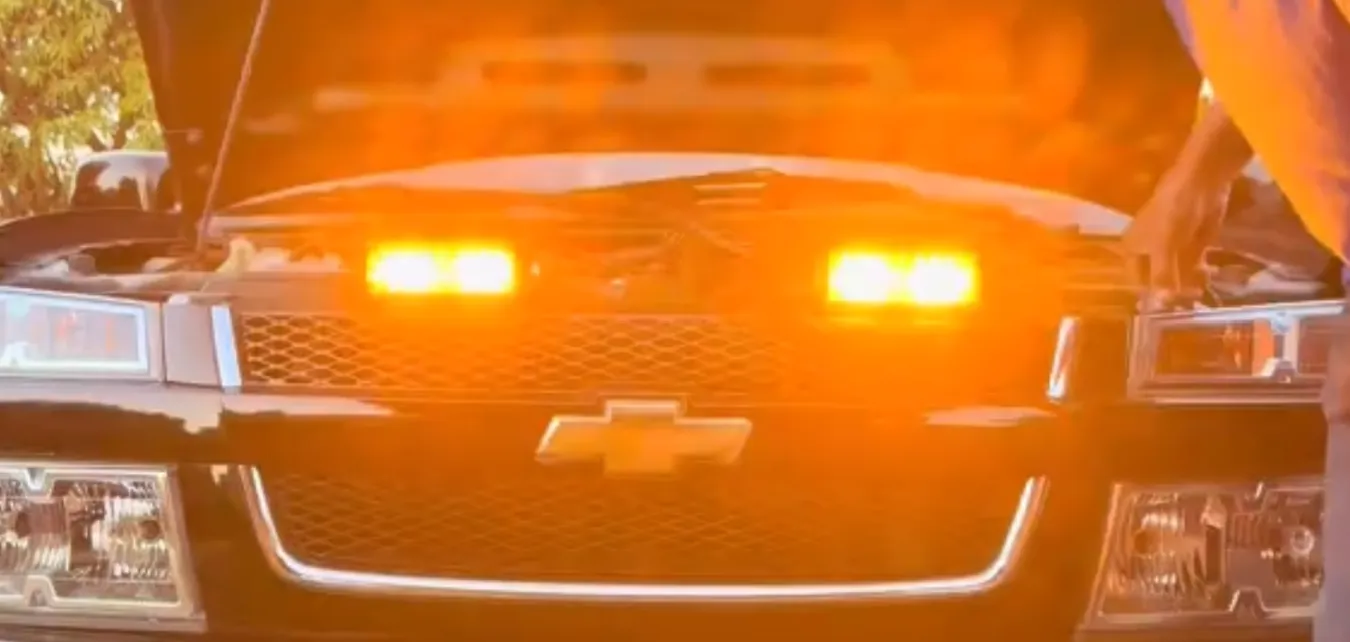
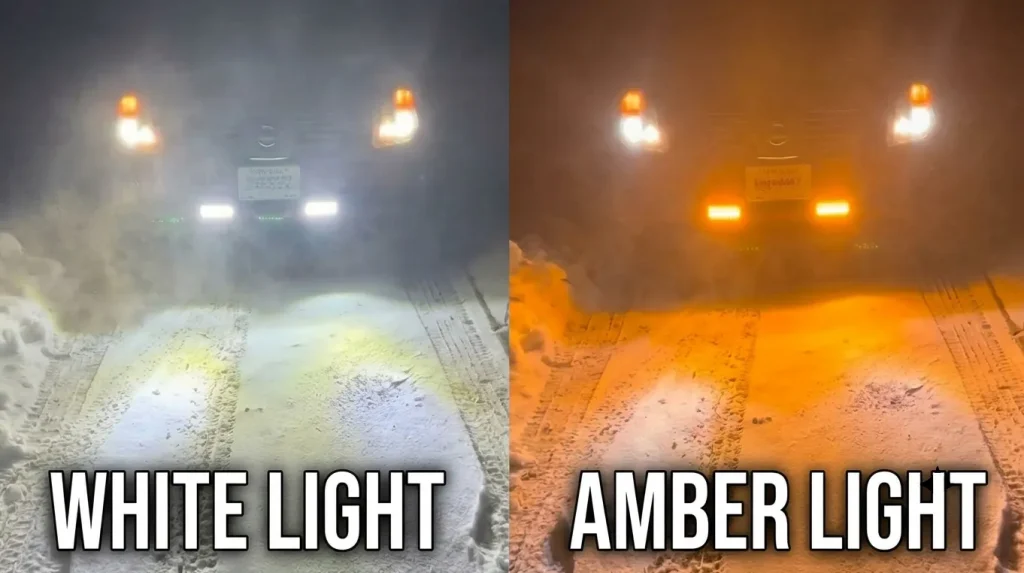
It all comes down to the science of how light travels. White light has a very short wavelength. Because of this, it easily bounces off particles in the air, like tiny water droplets, snowflakes, or dirt.
Amber light, on the other hand, has a longer wavelength. It cuts through these floating particles instead of bouncing off them. Upgrading your vehicle with a high-quality amber LED light bar greatly reduces that annoying glare. It helps you see the actual road surface ahead, keeping your eyes relaxed and focused.
So, What Are Amber Light Bars Good For Specifically?
Let’s look at the real-world situations where these specialized lights truly shine.
Cutting Through Thick Fog and Heavy Rain
Fog is essentially just a low-hanging cloud made of water. Standard white headlights hit this moisture and scatter everywhere. Amber lights pierce right through the wet air. They light up the ground, the potholes, and the painted road lines. This gives you the confidence to navigate through heavy spring rainstorms and dense morning fog safely.
Conquering Dust on the Trail
If you love hitting dirt trails on the weekends, you know how blinding kicked-up dust can be. A bright white off road LED light bar is amazing for clear, pitch-black nights in the woods. However, if you are driving in a dusty convoy, white light just highlights the dirt in the air. Amber lights easily penetrate the dust cloud. This ensures you can clearly see rocks, deep ruts, and the vehicle ahead of you before it is too late.
Winter Driving and Snowstorms
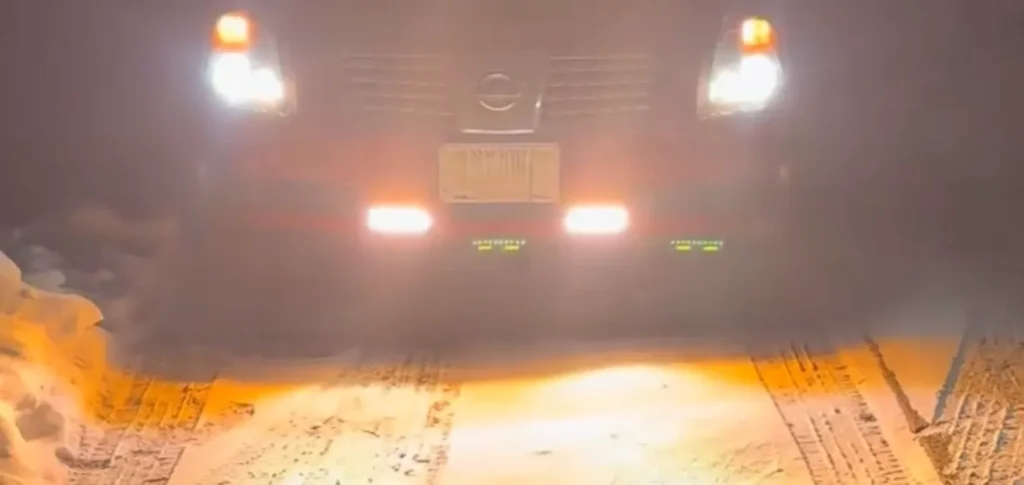
Snow is highly reflective. Shining bright white light against white snow leads to instant eye strain and snow blindness. Amber light provides much-needed contrast. It brings out the dark shadows in snowbanks, icy patches, and tire tracks. This makes winter driving far less stressful on your vision. When people ask what are amber light bars good for, winter safety is almost always the top answer from experienced drivers.
Work Trucks and Roadside Safety
These lights are not just about off-roading or off-grid adventures. Amber is the universal color for caution and awareness. If you drive a tow truck, a snowplow, or a heavy construction vehicle, you need to be seen by the public.
Installing a bright LED warning light bar alerts other drivers to slow down from a distance. It grabs attention without completely blinding passing traffic. This keeps you, your crew, and other motorists safe while you are working on busy, dangerous roadsides.
Choosing the Right Setup: Amber vs. White
You don’t always have to choose just one color for your build. Many smart drivers run a dual setup. They use white lights for clear nights and flip on the amber lights when the weather turns ugly.
| Feature | Amber Light Bars | White Light Bars |
|---|---|---|
| Best Weather | Fog, Rain, Snow, Dust | Clear, dry nights |
| Glare Level | Very Low | High in bad weather |
| Main Benefit | Cuts through airborne particles | Maximum distance visibility |
| Ideal Mounting | Lower bumper (below headlights) | Roof or upper windshield |
Still wondering exactly what are amber light bars good for on your specific truck or SUV? Think about the environments where you drive the most. If you frequently face bad weather, heavy dust, or winter storms, adding amber to your lighting arsenal is entirely worth the investment.
Conclusion
Do not let bad weather keep you off the road or ruin your weekend trail ride. Crisp white lights are perfect for clear, dark nights. But when Mother Nature acts up, you need the right tool for the job. Amber lights cut right through the mess, reduce dangerous glare, and keep you safe when visibility drops.
Frequently Asked Questions (FAQ)
Can I just put an amber cover over my existing white light bar?
Yes, using amber lens covers is a popular and cost-effective alternative to buying a completely new setup. While dedicated amber LED chips are slightly more efficient, snap-on covers give you the flexibility to easily switch between crisp white light and amber depending on the current weather conditions.
Does amber light actually penetrate fog better?
Yes. Amber light features a longer wavelength than white light. This allows the beam to pass through water droplets in fog and rain without reflecting blinding glare back at your eyes.
Where should I mount my amber lights?
For the best results in heavy fog or dust, mount your amber lights as low as possible. The front bumper or factory fog light pockets are ideal spots to light up the road directly.
Share This Article
